Key Takeaways
1. Laser pigmentation removal targets deeper melanin – Unlike creams or peels, laser treatment works beneath the skin’s surface to break down excess pigment and reduce stubborn dark spots.
2. Multiple sessions are usually required – Visible improvement happens gradually over 3–6 sessions, depending on the type and depth of pigmentation.
3. Different lasers suit different needs – Ablative, non-ablative, and pigment-targeting lasers are selected based on skin type, sensitivity, and pigmentation severity.
4. Sun protection is essential – Proper sunscreen use and skincare maintenance are crucial before and after treatment to maintain results and prevent new pigmentation.
5. Professional consultation ensures safety – Choosing an experienced dermatologist and a well-equipped clinic is key to safe, effective treatment—especially for melanin-rich Indian skin.
Table of Contents
1. Introduction to Laser Pigmentation Removal
2. Understanding Skin Pigmentation
3. Types of Skin Pigmentation
4. Causes of Skin Pigmentation
4.1 Sun Exposure
4.2 Hormonal Changes
4.3 Post-Acne Marks
4.4 Ageing and Genetics
4.5 Environmental and Lifestyle Factors
5. Common Treatments for Skin Pigmentation
5.1 Topical Creams and Serums
5.2 Chemical Peels
5.3 Medicated Facials and Maintenance Therapies
5.4 Home Remedies
6. What Is Laser Pigmentation Removal?
7. Types of Lasers Used in Pigmentation Treatment
7.1 Ablative Lasers
7.2 Non-Ablative Lasers
7.3 Pigment-Targeting Lasers
8. How Does Laser Pigmentation Removal Work?
9. Benefits of Laser Pigmentation Removal
10. Who Can Get Laser Pigmentation Removal?
11. How to Prepare for the Procedure
12. Choosing the Right Clinic for Laser Pigmentation Removal
13. Is Laser Pigmentation Removal the Right Choice for You?
14. Frequently Asked Questions
Introduction:
Pigmentation is a common skin concern in India, and in cities like Chennai, intense sun exposure, humidity, and pollution can make dark spots and uneven skin tone more noticeable. Uneven patches often appear on the face, neck, and hands. While creams or home remedies may help lighten mild spots, they rarely address pigmentation beneath the surface.
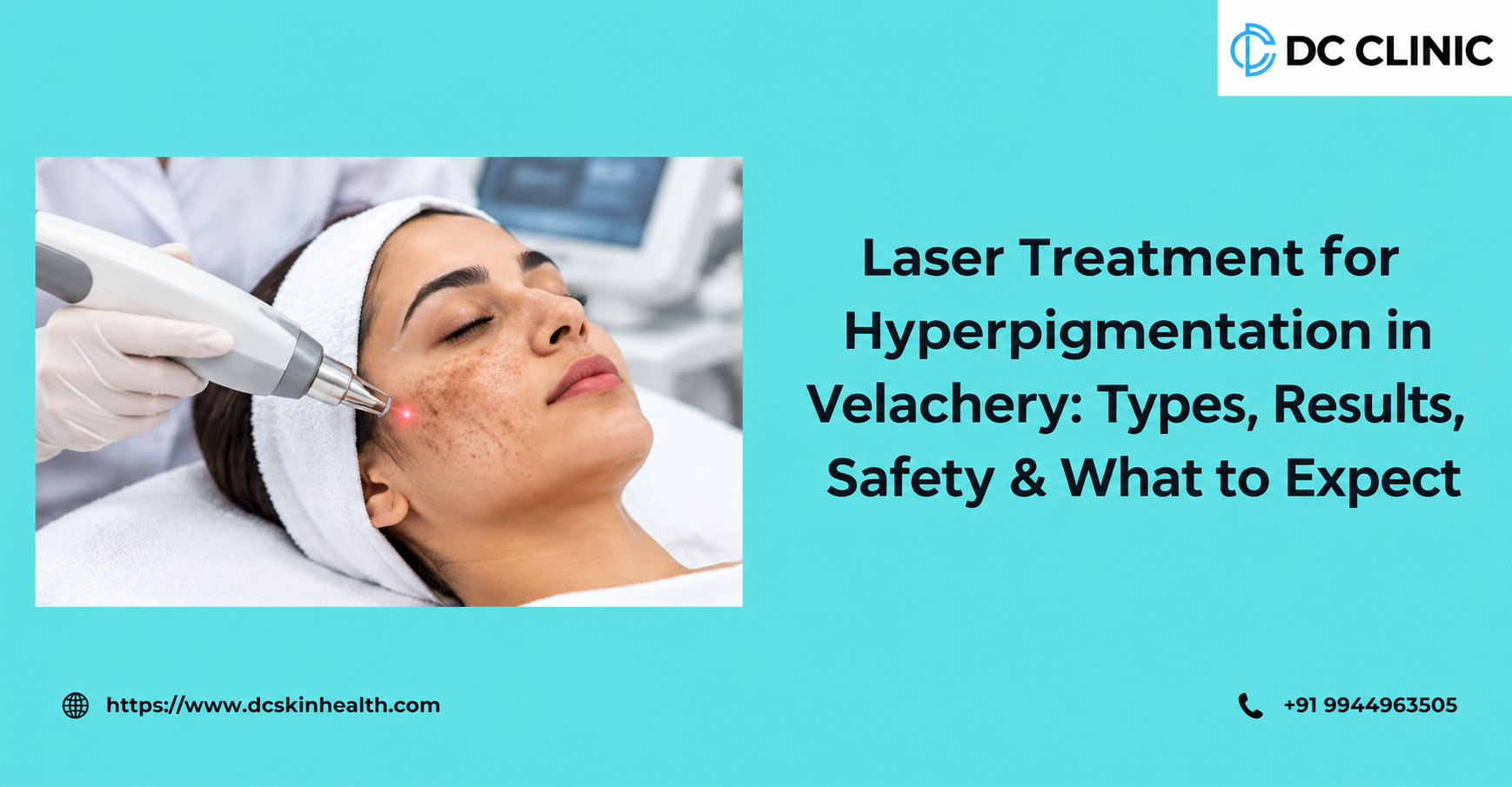
Laser pigmentation removal has become a widely used solution for stubborn pigmentation. This procedure targets excess melanin in the deeper layers of the skin, helping reduce dark spots and restore a more even complexion. Patients often describe the sensation during treatment as mildly uncomfortable, similar to a snap of a rubber band, but not painful.
Understanding how laser pigmentation removal works, the different types of lasers, realistic expectations, and proper aftercare is important before choosing this procedure. This article explores the laser pigmentation removal procedure, its benefits, who it is suitable for, and how to prepare for it—particularly for individuals seeking safe and professional care in Chennai.
What is Skin Pigmentation?
Skin pigmentation refers to the natural colour of the skin, determined by melanin, a pigment produced by specialised cells called melanocytes. Melanin protects the skin from sun damage, but when its production becomes uneven or excessive, it can lead to visible dark spots, patches, or an uneven skin tone.
There are several common types of pigmentation:
Hyperpigmented patches: Areas with excess melanin.
Melasma: Often triggered by hormonal changes.
Sun spots: Caused by prolonged exposure to UV rays, particularly common in Chennai’s sunny climate.
Post-inflammatory pigmentation: Dark marks left after acne or other skin injuries.
While topical creams and chemical peels can lighten surface pigmentation, deeper spots often require a more advanced solution. Laser pigmentation removal treatment works beneath the skin’s surface, breaking down pigment for gradual, controlled improvement.
Patients should understand that the results develop over multiple sessions, and ongoing sun protection and proper skincare are essential to maintain the outcome. The laser pigmentation removal procedure offers a precise, professional approach to reduce pigmentation while keeping surrounding skin healthy.
Causes of Skin Pigmentation
Pigmentation develops due to a combination of internal and external factors, many of which are common in Indian lifestyles and climates. Understanding these causes is important for deciding whether laser pigmentation removal is the right approach.
Common causes include:
• Sun exposure: Chennai’s strong sunlight can trigger excess melanin production, leading to dark spots, tanning, and uneven skin tone. Sun protection is essential before and after treatment.
• Hormonal changes: Pregnancy, menopause, or other hormonal imbalances can cause melasma and other pigmentation concerns.
• Post-acne marks: Inflammation from acne or injuries can leave lasting dark spots that are difficult to treat with creams alone.
• Ageing and genetics: Natural changes in skin function and genetic predisposition can make some individuals more prone to pigmentation.
• Environmental and lifestyle factors: Pollution, stress, and irregular skincare routines can worsen existing pigmentation.
Deeper or persistent pigmentation often requires professional intervention. Laser treatment for pigmentation and laser treatment for dark spots can target stubborn pigment at the root, offering gradual, controlled improvement over multiple sessions. Patients should also maintain proper skincare and sun protection to enhance and prolong results.
Common Treatments for Skin Pigmentation
Pigmentation can be addressed through several treatments, depending on its type, depth, and severity. Dermatologists often recommend starting with conservative approaches before moving to advanced solutions like laser pigmentation removal treatment.
Common options include:
• Topical creams and serums: Products containing vitamin C, retinoids, kojic acid, or niacinamide can gradually lighten mild pigmentation. Results take time and require consistent use.
• Chemical peels: These exfoliate the top skin layers, improving texture and reducing surface pigmentation. Deep or stubborn spots may remain unaffected.
• Medicated facials and maintenance therapies: Useful for skin health, but less effective for deep pigmentation.
• Home remedies: Often popular but generally offer limited or temporary results and may irritate sensitive skin.
For deeper pigmentation, laser treatment for pigmentation and laser treatment for dark spots provide a more precise, controlled solution. Different types of lasers may be used depending on your skin and pigmentation:
• Ablative lasers: Resurface the upper layers, stimulate collagen, and offer more dramatic results but require longer recovery.
• Non-ablative lasers: Gentler option, faster recovery, with gradual improvement.
• Pigment-targeting lasers: Penetrate deeper layers, ideal for stubborn spots like sun spots or post-acne marks.
It’s important to note that multiple sessions are usually required, and proper sun protection and skincare maintenance are essential to achieve the best results. Laser skin pigmentation treatment provides a targeted approach for patients seeking controlled, visible improvement in stubborn pigmentation.
What is Laser Pigmentation Removal?
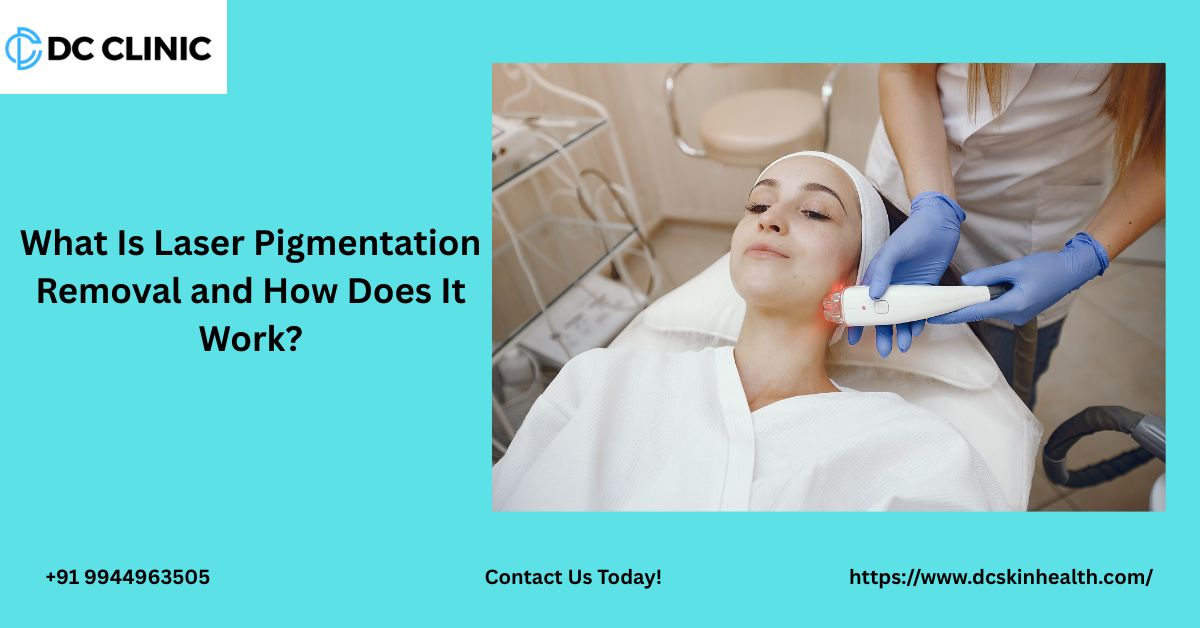
Laser pigmentation removal is a professional dermatological procedure designed to target excess melanin in the skin. Unlike topical creams or chemical peels that work mainly on the surface, this treatment penetrates deeper layers to address stubborn dark spots and uneven skin tone.
Different types of lasers may be used based on the type of pigmentation and skin sensitivity:
• Ablative lasers: Resurface the upper layers of skin, stimulate collagen, and provide more dramatic results, though recovery may take longer.
• Non-ablative lasers: Gentler option with shorter recovery, offering gradual improvement.
• Pigment-targeting lasers: Designed to reach deep areas of pigmentation, ideal for post-acne marks and sun-induced spots.
The laser pigmentation removal procedure works by breaking down excess pigment into smaller particles, which the body naturally eliminates over time. Multiple sessions are usually required to achieve visible improvement.
It’s important to maintain realistic expectations: the treatment reduces existing pigmentation but does not prevent new spots from forming. Proper sun protection, skincare routines, and following your dermatologist’s aftercare advice are essential to preserve results. For patients in Chennai, where sun exposure is high, this targeted procedure offers a safe, controlled, and effective way to manage persistent pigmentation.
How Does Laser Pigmentation Removal Work?
Understanding how laser pigmentation removal works helps explain why it is considered a precise and effective solution for stubborn dark spots. The procedure targets excess melanin in specific areas without affecting surrounding healthy skin, making it suitable for Indian skin tones.
During the laser pigmentation removal procedure, a dermatologist selects a type of laser based on the depth and type of pigmentation:
• Ablative lasers: Resurface the skin’s upper layers, stimulate collagen, and deliver more noticeable results, though recovery may take longer.
• Non-ablative lasers: Gentler, allowing faster recovery, with gradual improvement over multiple sessions.
• Pigment-targeting lasers: Focus on deeper pigmentation, similar to tattoo removal, ideal for sun spots or post-acne marks.
The laser energy breaks down excess pigment into smaller fragments, which the body naturally eliminates over time. Multiple sessions are typically required for visible improvement, and results develop gradually, offering a natural, even appearance.
Patients should note that while laser treatment for pigmentation and laser treatment for dark spots can significantly reduce existing pigmentation, it does not prevent new spots from forming. Proper sun protection, skincare maintenance, and following post-treatment guidance are essential to maintain results.
Benefits of Laser Pigmentation Removal
Laser pigmentation removal offers a precise approach for reducing dark spots and uneven skin tone, especially when creams or chemical peels have limited effect. The procedure targets pigment at its source while leaving surrounding skin healthy, making it suitable for Indian skin tones.
Benefits include:
• Precision targeting: Only pigmented areas are treated, preserving surrounding skin.
• Effective for stubborn spots: Deep pigmentation, melasma, sun spots, and post-acne marks respond well over multiple sessions.
• Minimal downtime: Most patients can resume daily activities quickly; some may experience mild redness or sensitivity.
• Customised for skin type: Laser settings are adjusted based on pigmentation depth and skin tone.
• Gradual, natural improvement: Pigmentation fades over several sessions, providing a more even and refreshed appearance.
It is important to maintain realistic expectations. While laser skin pigmentation treatment can significantly reduce existing dark spots, it does not prevent future pigmentation. Patients should continue proper sun protection and a consistent skincare routine to support long-term results.
By offering targeted, controlled treatment, laser pigmentation removal treatment provides an effective option for those seeking visible improvement in stubborn pigmentation with professional guidance.
Who Can Get Laser Pigmentation Removal?
Laser pigmentation removal treatment is suitable for many individuals dealing with persistent dark spots or uneven skin tone, but its effectiveness depends on skin type, pigmentation depth, and overall skin health. A dermatologist assessment is essential to ensure the procedure is safe and tailored to your needs.
This treatment is commonly recommended for people with:
• Sun-induced pigmentation: Dark spots caused by prolonged UV exposure, common in Chennai.
• Post-acne marks: Pigmented scars left after acne or skin inflammation.
• Melasma or hormonal pigmentation: Patches caused by hormonal changes.
• Uneven skin tone: Areas that have not responded to creams, chemical peels, or other topical treatments.
However, the laser pigmentation removal procedure may not be suitable for everyone. Individuals with active skin infections, certain medical conditions, or pregnancy may need to postpone treatment. Skin sensitivity and tone are also evaluated to reduce the risk of side effects.
When performed by an experienced dermatologist, laser skin pigmentation treatment is a safe, controlled, and effective way to reduce existing pigmentation. Following professional guidance and proper post-procedure care, including sun protection, is essential to maintain the results.
How to Prepare for the Procedure
Proper preparation is key to ensuring the safety and effectiveness of a laser pigmentation removal procedure. Following your dermatologist’s guidance before treatment helps reduce side effects and improves results.
Tips for preparation:
• Limit sun exposure: Avoid direct sunlight for 1–2 weeks before treatment, and use a broad-spectrum sunscreen daily.
• Adjust skincare routine: Stop using products with retinoids, exfoliating acids, or bleaching agents as advised by your dermatologist.
• Share your medical history: Inform your dermatologist about any medications, skin conditions, or prior treatments.
• Keep skin clean and hydrated: Use gentle skincare routines without harsh products before your session.
• Patch test (if recommended): Some patients may undergo a small test to see how their skin responds to the laser, especially for melanin-rich skin types.
It’s important to have realistic expectations. The laser treatment for pigmentation gradually reduces pigmentation over multiple sessions. Proper preparation combined with post-treatment care, including sun protection and skincare, ensures a safer and more effective laser skin pigmentation treatment.
Choosing the Right Clinic for Laser Pigmentation Removal
Selecting the right clinic is essential for a safe and effective laser pigmentation removal treatment. Not all clinics have the same level of expertise, technology, or patient care, so careful research is critical.
These pointers can help you find the right clinic:
• Qualified dermatologists: Look for experienced professionals who specialise in laser treatment for pigmentation. A trained dermatologist can customise the procedure according to your skin type, pigmentation depth, and sensitivity.
• Advanced laser technology: Ensure the clinic uses modern, FDA-approved lasers suitable for treating stubborn dark spots, melasma, and post-acne pigmentation. Different lasers—ablative, non-ablative, or pigment-targeting—offer options for tailored treatment and recovery.
• Personalised consultation: A good clinic will evaluate your skin, discuss realistic outcomes, and create a customised treatment plan instead of offering a one-size-fits-all approach.
• Hygiene and safety standards: Clean facilities, proper safety protocols, and trained staff reduce risks during the laser pigmentation removal procedure.
• Patient results and reviews: Before-and-after photos and genuine testimonials can help gauge the clinic’s effectiveness and reliability.
Choosing a trusted clinic in Chennai ensures that laser skin pigmentation treatment is performed safely and effectively. With professional guidance, customised treatment settings, and proper aftercare instructions, patients can achieve visible improvement in stubborn pigmentation while minimising risks.
Is Laser Pigmentation Removal the Right Choice for You?
Pigmentation is a common concern for many people in India, especially in Chennai, where sun exposure, humidity, and pollution can make dark spots and uneven skin tone more noticeable. While creams, chemical peels, and home remedies may help with mild surface pigmentation, stubborn or deeper spots often require a more precise approach.
Laser pigmentation removal provides a targeted solution by working beneath the skin’s surface to reduce excess melanin. It is most effective for individuals with:
• Sun-induced pigmentation
• Post-acne dark spots
• Hormonal pigmentation or melasma
• Uneven skin tone unresponsive to creams or peels
It’s important to set realistic expectations: the laser pigmentation removal procedure can significantly reduce existing pigmentation, but it does not prevent new spots from forming. Proper sun protection, adherence to your dermatologist’s post-treatment care, and multiple sessions may be needed to achieve optimal results.
For individuals seeking professional care in Chennai, laser treatment for pigmentation offers a controlled, safe, and effective option to manage stubborn dark spots while maintaining healthy skin. With expert guidance, customised treatment settings, and consistent aftercare, patients can enjoy a more even and refreshed complexion.
Frequently Asked Questions
1. Is laser pigmentation removal safe for Indian skin?
Yes, laser pigmentation removal is safe for Indian skin when performed by an experienced dermatologist. Settings are customised for melanin-rich skin to minimise side effects while effectively targeting pigment.
2. Is the treatment painful?
Most patients describe the sensation as mildly uncomfortable, similar to a snap of a rubber band, rather than painful. Topical numbing creams or cooling systems are often used to increase comfort.
3. How many sessions are required?
The number of sessions varies depending on pigmentation type, depth, and severity. Typically, 3 to 6 sessions of laser treatment for pigmentation are recommended, with adjustments based on progress.
4. Are the results permanent?
Results can be long-lasting, but laser skin pigmentation treatment does not prevent new pigmentation from forming. Sun protection and proper skincare are essential, and occasional maintenance sessions may be advised.
5. When can I return to my daily routine after the procedure?
Most patients can resume normal activities immediately. Mild redness or sensitivity may occur but usually settles quickly with proper post-treatment care.