Introduction
Botox has become one of the most widely performed non-surgical treatments in the world. While many people associate it with wrinkle reduction, the range of Botox injection uses extends far beyond cosmetic enhancement. Today, doctors use Botox to address several medical conditions, including chronic migraines, excessive sweating, muscle disorders, and more.
Understanding how Botox works can help patients make proper decisions about treatment. This guide explains what Botox is, how it functions inside the body, its benefits, potential risks, and what you can expect before and after the procedure.
What Are Botox Injections?
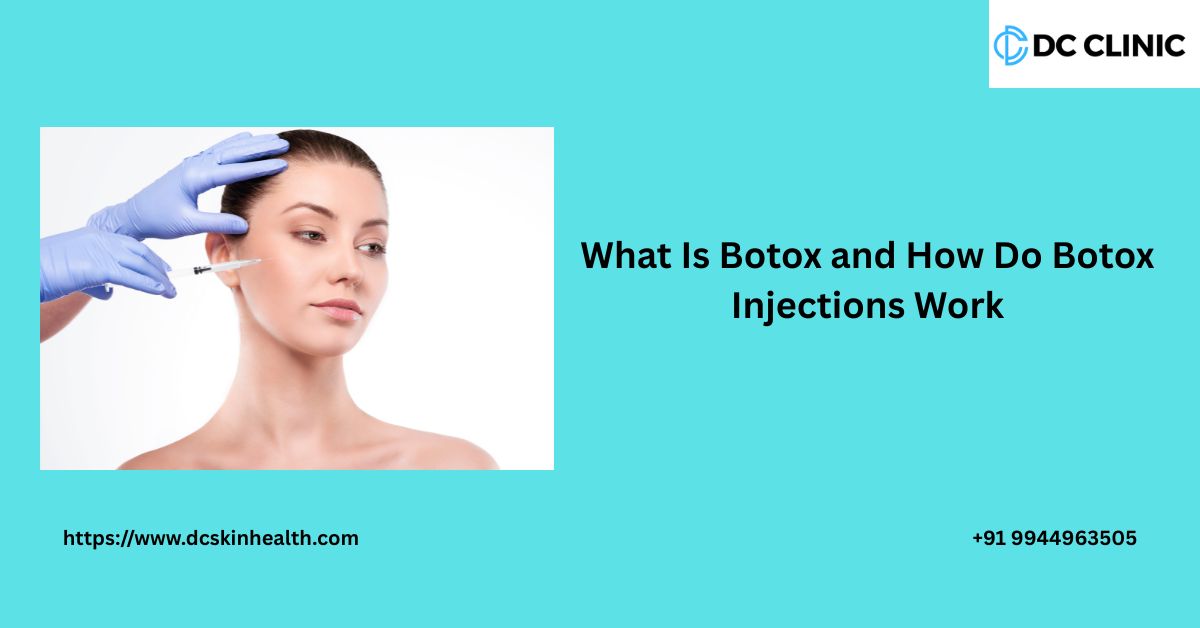
Botox injections are minimally invasive treatments that use a purified protein to temporarily relax specific muscles. The treatment involves injecting small amounts of the substance into targeted areas of the face or body.
The popularity of Botox injection use has grown significantly because the procedure is quick, requires little recovery time, and can produce noticeable results without surgery. Depending on the condition being treated, Botox may be administered by dermatologists, plastic surgeons, neurologists, or other qualified medical professionals.
Although many people seek Botox for aesthetic reasons, doctors also recommend it for a variety of therapeutic purposes. The growing list of Botox injection uses demonstrates how versatile this treatment has become in modern medicine.
What Is Botox Made Of?
Botox is derived from a purified form of botulinum toxin type A, a protein produced by the bacterium Clostridium botulinum. While the word “toxin” may sound alarming, the product used in medical treatments undergoes extensive purification and is administered in extremely small, controlled doses.
The active ingredient works by temporarily interrupting communication between nerves and muscles. This controlled effect is what makes many Botox injection uses possible in both cosmetic and medical settings.
In addition to the active protein, Botox formulations contain stabilising ingredients that help maintain effectiveness during storage and administration.
How Do Botox Injections Work?
To better understand the many Botox injection uses and how Botox works, it is important to understand how nerves communicate with muscles.
The Science of Nerve Signals
Normally, nerves release a chemical messenger called acetylcholine. This neurotransmitter travels across a tiny gap between the nerve and muscle, signalling the muscle to contract.
Botox temporarily blocks the release of acetylcholine at the injection site. Without this signal, the targeted muscle cannot contract as strongly. As a result, muscle activity decreases for a period of time.
This mechanism explains the science behind many Botox injection uses, including wrinkle reduction and the treatment of muscle-related disorders.
Step-by-Step: What Happens After Injection?
Once Botox is injected, a series of biological events takes place:
● The protein binds to nerve endings in the treatment area.
● It enters the nerve cells.
● The release of acetylcholine is blocked.
● Muscle contractions become weaker or stop temporarily.
● The treated area begins to relax.
● Visible or therapeutic improvements gradually develop over the following days.
Many Botox injection uses are made possible by this temporary interruption of nerve communication, which allows muscles or glands to function differently during the treatment period.
Is the Effect Permanent?
No. Botox does not permanently damage nerves or muscles.
Over time, the body naturally forms new nerve connections that restore communication with the treated muscles. This is why the effects gradually wear off after several months.
Because the effects are temporary, individuals seeking ongoing benefits from Botox injection use typically require repeat treatments at regular intervals.
What Does Botox Treat?
The expanding list of Botox injection uses includes both cosmetic and medical applications.
Cosmetic Uses
Many patients seek Botox to reduce signs of ageing and improve facial appearance. Common cosmetic uses of Botox include:
● Forehead lines
● Frown lines between the eyebrows
● Crow's feet around the eyes
● Bunny lines on the nose
● Chin dimpling
● Lip enhancement techniques
● Neck bands
Among the most popular procedures are Botox injections uses for wrinkles, helping reduce the appearance of dynamic facial lines caused by repeated muscle movements over time.
These cosmetic benefits have contributed significantly to the growing popularity of Botox treatment uses worldwide.
Medical Uses
Doctors have discovered numerous medical uses of Botox beyond cosmetic enhancement. These include treatment for:
● Chronic migraines
● Excessive sweating (hyperhidrosis)
● Muscle spasms
● Cervical dystonia
● Overactive bladder
● Eye muscle disorders
● Facial twitching
● Certain neurological conditions
Among the many medical applications, Botox injection uses for migraines are one of the most widely recognised, helping some patients experience fewer and less severe headaches. These examples highlight the broad scope of modern Botox therapy applications in healthcare.
What to Expect Before, During and After
Understanding the treatment journey helps patients feel more prepared and confident about the procedure.
Procedure
Before treatment, your practitioner will:
● Review your medical history
● Discuss treatment goals
● Examine the treatment area
● Determine appropriate injection sites
During the procedure:
● The skin will be cleaned
● Small injections are administered using a fine needle
● Multiple injection points may be used
● The session usually lasts 10–30 minutes
Most patients tolerate the procedure well, making many Botox injection uses convenient for busy lifestyles.
When Do Results Kick In?
Results are not immediate.
Most patients begin noticing changes within:
● 3 to 5 days after treatment
● Continued improvement over 7 to 14 days
● Peak results around two weeks
The timeline varies depending on the specific Botox injection uses being treated and individual biological factors.
How Long Does Botox Last?
The duration of results depends on several factors, including:
● Treatment area
● Muscle strength
● Dosage used
● Individual metabolism
In general:
● Cosmetic treatments last approximately 3–4 months
● Some medical applications may last longer
● Repeat treatments help maintain results
Many patients schedule follow-up appointments to continue benefiting from various Botox injection uses throughout the year.
Aftercare Tips
Following proper aftercare can help optimise results.
Recommended guidelines include:
● Remain upright for several hours
● Avoid rubbing treated areas
● Skip intense exercise for 24 hours
● Follow practitioner instructions carefully
● Attend scheduled follow-up visits
Proper aftercare supports successful outcomes across many Botox injection uses.
Botox Side Effects & Safety
Botox is generally considered safe when administered by a qualified and experienced medical professional. It has been widely used in healthcare and aesthetic medicine for many years, with a well-established safety profile when administered correctly. However, like any medical procedure, Botox injections can cause side effects and may carry certain risks.
Understanding the potential side effects and safety considerations can help patients better evaluate whether the treatment is right for them.
Common Short-Term Side Effects
Most side effects associated with Botox are mild and temporary. They typically occur at or near the injection site and resolve within a few days.
Common short-term side effects may include:
● Mild pain or discomfort at the injection site
● Redness or swelling
● Bruising
● Headache
● Temporary tenderness
● A feeling of tightness in the treated area
Some patients may also experience minor flu-like symptoms shortly after treatment. These reactions are typically temporary and resolve on their own without requiring medical treatment.
The occurrence and severity of side effects can vary depending on the treatment area, dosage, and individual response to the injections.
Rare & Serious Risks
Although uncommon, more serious complications can occur in certain situations. These risks are typically associated with incorrect injection techniques, underlying medical conditions, or the spread of the medication beyond the intended treatment area.
Rare but serious risks may include:
● Drooping eyelids or eyebrows
● Difficulty swallowing
● Muscle weakness in nearby areas
● Vision disturbances
● Breathing difficulties
● Allergic reactions
Patients should seek immediate medical attention if they experience symptoms such as trouble breathing, severe muscle weakness, or signs of an allergic reaction after treatment.
A thorough medical assessment before treatment helps reduce the risk of complications and ensures Botox is appropriate for the individual.
Danger of DIY or Unregulated Botox
One of the biggest safety concerns surrounding Botox today is the growing availability of unregulated products and do-it-yourself injection kits. Botox should only be administered by trained healthcare professionals in a regulated medical setting.
DIY Botox or treatments performed by unqualified individuals can increase the risk of:
● Incorrect dosing
● Infection
● Poor cosmetic outcomes
● Nerve damage
● Severe complications requiring medical treatment
Unregulated products may also contain unknown ingredients, unauthorised formulations, or improperly stored substances that can pose significant health risks.
Choosing a qualified practitioner is one of the most important factors in ensuring safe treatment and achieving the desired results. Patients should always verify the credentials and experience of the professional performing their Botox injections.
Who Should Avoid Botox?
While Botox is suitable for many individuals, it may not be recommended for everyone. A medical evaluation is important before treatment to identify any conditions or circumstances that could increase the risk of complications.
You may need to avoid Botox or discuss alternative treatment options with your healthcare provider if you:
● Are pregnant or breastfeeding
● Have a known allergy to botulinum toxin or any ingredient in the formulation
● Have an active skin infection or inflammation at the planned injection site
● Have certain neuromuscular disorders, such as myasthenia gravis or Lambert-Eaton syndrome
● Experience significant muscle weakness
● Have a history of adverse reactions to previous Botox treatments
Patients taking certain medications, particularly muscle relaxants or medications that affect nerve function, should also inform their healthcare provider before treatment.
Because medical history, current health status, and treatment goals vary from person to person, Botox should always be administered following a thorough consultation with a qualified medical professional. This helps ensure the treatment is both safe and appropriate for the individual's needs.
How to Choose a Qualified Practitioner
The safety and effectiveness of Botox treatment depend not only on the product itself but also on the skill and experience of the practitioner performing the procedure. Choosing a qualified professional help reduce the risk of complications and improves the chances of achieving natural-looking results.
When selecting a Botox provider, consider the following factors:
● Verify their medical qualifications and professional credentials
● Choose a practitioner with specific experience in Botox treatments
● Ensure the procedure is performed in a licensed medical facility or clinic
● Ask about their experience treating your specific concern
● Review patient testimonials and before-and-after results when available
● Confirm that approved Botox products are being used
A reputable practitioner will also conduct a detailed consultation before treatment. This typically includes reviewing your medical history, discussing your goals, explaining potential risks, and recommending an appropriate treatment plan.
Be cautious of providers offering unusually low prices or treatments outside regulated healthcare settings. While cost may be a consideration, experience, safety standards, and professional expertise should remain the priority when choosing a Botox practitioner.
Taking the time to select a qualified provider can help ensure a safer treatment experience and more satisfactory results.
Looking for safe and effective Botox treatment? Consult the experts at DC Clinic.
Frequently Asked Questions
1. What are the most common Botox injection uses?
The most common Botox injection uses include reducing facial wrinkles, treating chronic migraines, managing excessive sweating, relieving muscle spasms, treating overactive bladder, and addressing certain neurological conditions. The specific treatment approach depends on the patient's medical or cosmetic goals.
2. Are Botox injection uses limited to cosmetic treatments?
No. While wrinkle reduction is one of the best-known Botox injection uses, the treatment is also widely used for several medical conditions, including migraines, hyperhidrosis, muscle disorders, and facial twitching.
3. Are Botox injections painful?
Most patients experience only mild discomfort during the procedure. Botox injections are administered using very fine needles, and the treatment is generally well tolerated. Any discomfort usually lasts only a few seconds.
4. How soon will I see results after Botox treatment?
Results are not immediate. Many patients begin noticing improvements within three to five days, with full results typically becoming visible within one to two weeks after treatment.
5. Can Botox injection uses be customised for different patients?
Yes. Botox injection uses are highly personalised. The dosage, injection sites, and treatment approach are adjusted according to the patient's concerns, anatomy, and desired outcomes.